
Introduction
Career planning is one of the most important steps in a student’s life. A well-planned career helps you make informed decisions about your education, develop the right skills, and achieve your long-term goals. Instead of choosing a career based on trends or peer pressure, students should focus on their interests, strengths, values, and future opportunities.
Whether you are studying in Class 10, Class 12, or college, having a clear career plan can help you stay focused and confident. This guide will explain the importance of career planning, the steps involved, and practical tips to help you choose the right career path.

What is Career Planning?
Career planning is the process of identifying your interests, skills, values, and career goals to create a roadmap for your future education and profession. It helps students make informed decisions and prepare for a successful career.

Why is Career Planning Important?
Proper career planning offers several benefits, including:
- Helps you choose the right career path.
- Reduces confusion about future education.
- Aligns your interests with suitable careers.
- Improves confidence in decision-making.
- Helps you develop career-ready skills.
- Increases your chances of long-term success.
- Prepares you for future job market trends.
Step 1: Know Yourself
The first step in career planning is understanding yourself.
Ask yourself:
- What subjects do I enjoy?
- What are my strengths?
- What activities motivate me?
- What kind of work environment suits me?
- What are my long-term goals?
Self-awareness is the foundation of good career decisions.

Step 2: Explore Career Options
Research different industries and professions before making a decision.
Popular career fields include:
- Engineering
- Medical
- Law
- Chartered Accountancy (CA)
- Civil Services (UPSC)
- Business & Management
- Information Technology
- Digital Marketing
- Data Science
- Design & Creative Arts
Learn about eligibility, required qualifications, salary expectations, and future growth for each field.
Step 3: Choose the Right Educational Path
Select courses that match your career goals.
Examples:
- Science → Engineering, Medicine, Research
- Commerce → CA, Finance, Banking, Business
- Arts → Law, Journalism, Psychology, Civil Services
- Polytechnic → Technical Careers
- ITI → Skilled Trades
Choosing the right stream and course creates a strong foundation for your future.
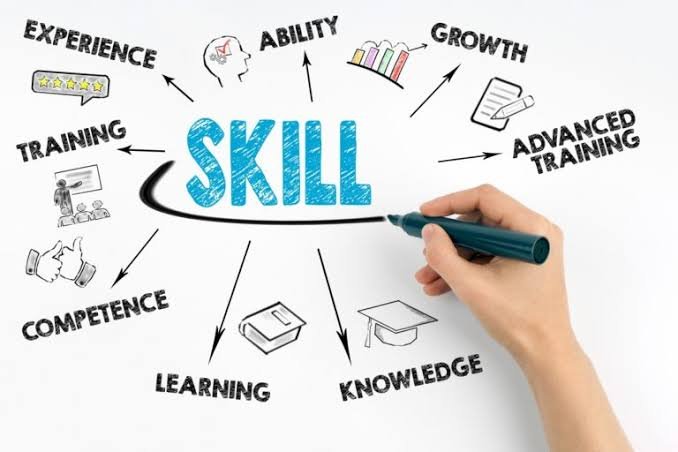
Step 4: Develop Essential Skills
Employers look for more than academic performance.
Focus on building:
- Communication Skills
- Leadership
- Critical Thinking
- Problem Solving
- Digital Literacy
- Teamwork
- Time Management
- Creativity
- Adaptability
- Emotional Intelligence
These skills improve your employability in any profession.

Step 5: Set Short-Term and Long-Term Goals
Create realistic goals for your education and career.
Short-Term Goals
- Improve academic performance.
- Learn a new skill.
- Complete an online certification.
- Participate in competitions.
Long-Term Goals
- Complete your degree.
- Gain internship experience.
- Secure your dream job.
- Pursue higher education if required.

Step 6: Gain Practical Experience
Practical experience helps students understand real-world work environments.
You can gain experience through:
- Internships
- Workshops
- Volunteer work
- Industry visits
- Online projects
- Freelancing
- Student organizations

Step 7: Stay Updated with Industry Trends
The job market changes rapidly. Keep learning about:
- Artificial Intelligence (AI)
- Data Science
- Cybersecurity
- Renewable Energy
- Healthcare
- Financial Technology (FinTech)
- Digital Marketing
- Cloud Computing
Being aware of emerging careers helps you stay competitive.
Common Career Planning Mistakes
- Following friends without research.
- Choosing a career only for salary.
- Ignoring your interests.
- Lack of career guidance.
- Not researching future opportunities.
- Avoiding skill development.
- Delaying career decisions.
Benefits of Career Planning
Effective career planning can help you:
- Make confident career decisions.
- Choose the right course and college.
- Improve job readiness.
- Build professional skills.
- Increase career satisfaction.
- Achieve long-term success.
- Adapt to changing job markets.
Why Career Counseling Matters
Professional career counseling provides:
- Personalized career advice
- Aptitude and interest assessment
- Stream selection guidance
- College admission support
- Career roadmaps
- Scholarship information
- Entrance exam guidance
Expert counseling helps students make informed and confident career decisions.
Why Choose Career Hub?
Career Hub provides comprehensive support to students at every stage of their career journey.
Our services include:
- Career Counseling
- Stream Selection
- College Admission Guidance
- Entrance Exam Support
- Skill Development Guidance
- Scholarship Assistance
- Study Abroad Counseling
- Personalized Mentorship
Our experienced counselors help students choose careers that align with their goals and potential.
Conclusion
Career planning is not a one-time decision—it is an ongoing process of learning, exploring, and growing. By understanding your strengths, researching career opportunities, developing essential skills, and seeking expert guidance, you can build a successful and fulfilling future.
Start planning your career today, stay focused on your goals, and take the first step toward achieving your dreams with the support of Career Hub.
Frequently Asked Questions
Career planning is the process of identifying your interests, strengths, skills, and career goals to choose the right educational path and profession. It helps students make informed decisions about their future.
Career Hub provides personalized career counseling, stream and course selection guidance, college admission support, entrance exam guidance, scholarship assistance, and expert mentoring to help students build a successful future.
Career planning helps students choose the right course, set clear goals, develop essential skills, reduce confusion, and prepare for long-term career success.
Common mistakes include following friends, choosing a career only for a high salary, ignoring personal interests, not researching career options, and making decisions without proper guidance.