
How to Become a Lawyer in India (2026): Complete Career Guide After 12th
Introduction
A career in law is one of the most respected and rewarding professions in India. Lawyers play a vital role in protecting justice, defending individual rights, and helping businesses and individuals navigate legal matters. With the growing demand for legal professionals in courts, corporations, government organizations, and international firms, law has become an excellent career choice for students.
If you dream of becoming a successful lawyer, this guide explains the eligibility, courses, entrance exams, career opportunities, salary, and step-by-step process to build a career in law.

Why Choose Law as a Career?
The legal profession offers excellent career growth, financial stability, and opportunities to make a positive impact on society.
Benefits of Becoming a Lawyer
- High respect and social recognition
- Excellent career growth
- Attractive salary packages
- Diverse specialization options
- Opportunities in India and abroad
- Government and private sector jobs
- Self-employment opportunities
- Continuous learning and professional development

Who Can Become a Lawyer?
Anyone with an interest in justice, logical reasoning, communication, and problem-solving can pursue a career in law.
Successful lawyers usually possess:
- Strong communication skills
- Analytical thinking
- Confidence
- Research abilities
- Negotiation skills
- Decision-making ability
- Patience and ethics
Step-by-Step Guide to Become a Lawyer
Step 1: Complete Class 12
Students from Science, Commerce, or Arts can pursue law after completing Class 12 from a recognized board.
Step 2: Choose the Right Law Course
Integrated Law Courses (5 Years)
- BA LLB
- BBA LLB
- B.Com LLB
- B.Sc LLB
These courses can be joined directly after Class 12.
LLB (3 Years)
Students who complete graduation in any discipline can pursue a 3-year LLB degree.
Step 3: Clear Law Entrance Exams
Popular law entrance examinations include:
- CLAT (Common Law Admission Test)
- AILET
- LSAT India (if applicable)
- SLAT
- MHCET Law
- State-level Law Entrance Exams
Step 4: Complete Your Internship
Internships help students gain practical experience by working with:
- Advocates
- Law firms
- Corporate legal departments
- NGOs
- Government organizations
- Courts
Step 5: Register with the State Bar Council
After completing your law degree, register with your State Bar Council to become eligible to practice law.
Step 6: Clear the All India Bar Examination (AIBE)
Qualifying the AIBE allows advocates to receive a Certificate of Practice and appear in courts across India.
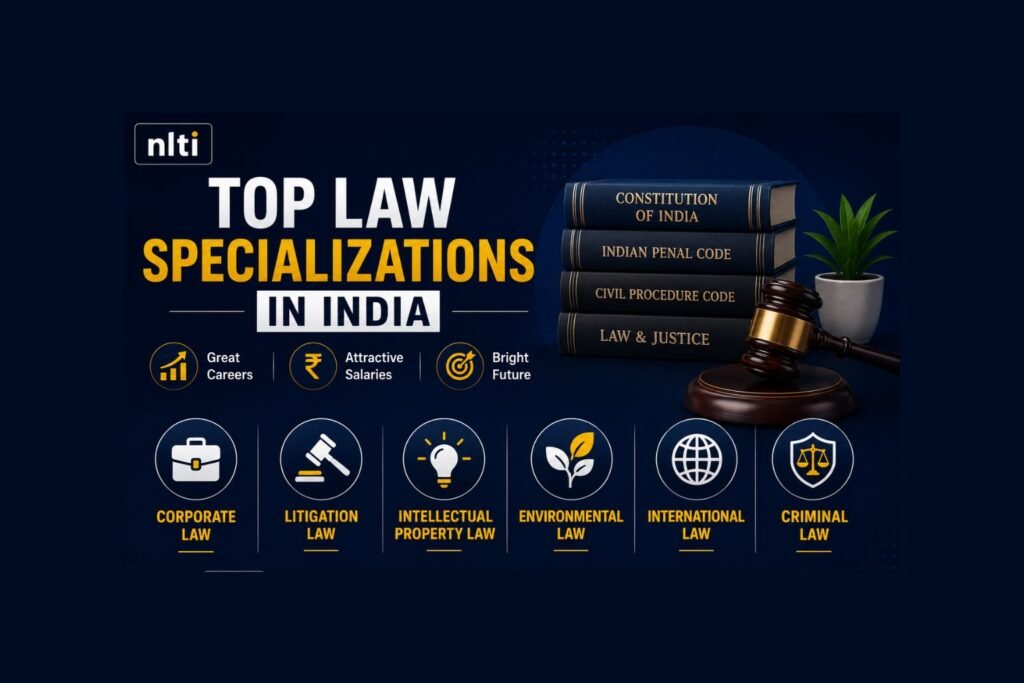
Popular Law Specializations
Students can specialize in various legal fields such as:
- Criminal Law
- Corporate Law
- Constitutional Law
- Civil Law
- Intellectual Property Law
- Cyber Law
- Tax Law
- Family Law
- Environmental Law
- International Law

Best Career Opportunities After Law
Law graduates can work as:
- Advocate
- Corporate Lawyer
- Legal Advisor
- Public Prosecutor
- Judge (after qualifying exams)
- Legal Consultant
- Civil Services Officer
- Legal Researcher
- Company Secretary (with additional qualification)
- Law Professor

Skills Required to Become a Successful Lawyer
Develop these essential skills:
- Communication
- Public Speaking
- Legal Research
- Critical Thinking
- Negotiation
- Drafting Skills
- Leadership
- Time Management
- Problem Solving
- Professional Ethics
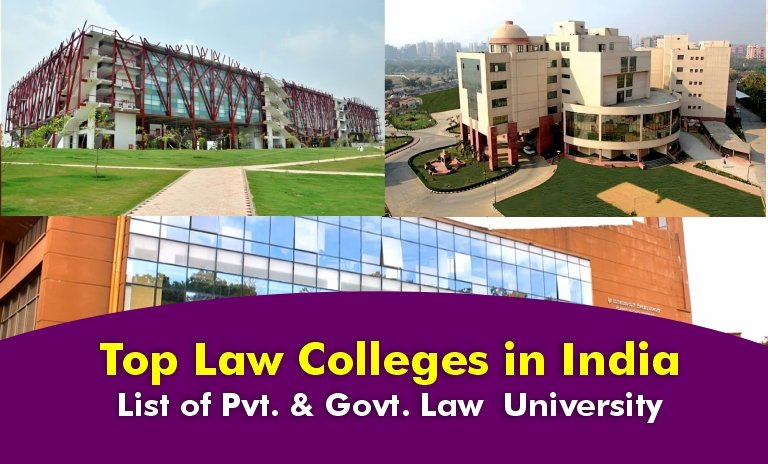
Top Law Colleges in India
Some of the leading institutions include:
- National Law School of India University (NLSIU), Bengaluru
- National Academy of Legal Studies and Research (NALSAR), Hyderabad
- National Law University (NLU), Delhi
- Gujarat National Law University (GNLU)
- Symbiosis Law School, Pune
- Faculty of Law, University of Delhi

Salary of a Lawyer in India
The salary depends on experience, specialization, and workplace.
- Freshers: ₹3–6 LPA
- Mid-Level Lawyers: ₹6–15 LPA
- Corporate Lawyers: ₹10–30+ LPA
- Senior Advocates and Legal Consultants can earn significantly more based on expertise and clientele.
Why Choose Career Hub?
Career Hub helps aspiring law students with:
- Career Counseling
- Law Course Selection
- College Admission Guidance
- Entrance Exam Support
- Scholarship Information
- Career Planning
- One-to-One Mentoring
Our experts help students confidently choose the right path toward a successful legal career.
Conclusion
Law is an excellent career for students who enjoy solving problems, protecting rights, and contributing to society. With the right education, preparation, and practical experience, you can build a successful career in the legal profession.
Start planning your legal career today and take the first step toward becoming a successful lawyer with expert guidance from Career Hub.
Frequently Asked Questions
After completing Class 12 from any recognized board, you can pursue a 5-year integrated law course such as BA LLB, BBA LLB, or B.Com LLB by qualifying for law entrance exams like CLAT or other university-specific examinations.
Students from Science, Commerce, and Arts can all become lawyers. There is no mandatory stream required. Choose the stream that matches your interests and future academic goals.
To become a lawyer, you must complete an LLB degree (either a 5-year integrated course after 12th or a 3-year LLB after graduation), register with the State Bar Council, and qualify for the All India Bar Examination (AIBE).
Popular law entrance exams include CLAT, AILET, SLAT, MH CET Law, and various state or university-level entrance examinations.
Some of the most popular law courses include BA LLB, BBA LLB, B.Com LLB, B.Sc LLB, and integrated law programs offered by leading universities across India.