
Most In-Demand Skills for Students in 2026: Essential Skills for Career Success
Introduction
In today’s rapidly changing world, academic knowledge alone is no longer enough to build a successful career. Employers are looking for students who possess a combination of technical expertise, communication abilities, problem-solving skills, and adaptability. Developing the right skills during your school or college years can significantly improve your career prospects and prepare you for future opportunities.
Whether you want to become an engineer, doctor, lawyer, entrepreneur, software developer, or government officer, mastering in-demand skills will help you stay competitive in today’s job market.
Why Skills Matter More Than Ever
Modern employers seek candidates who can think critically, collaborate effectively, and adapt to new technologies. Skills not only improve employability but also boost confidence, productivity, and long-term career growth.
Benefits of developing professional skills:
- Better job opportunities
- Higher earning potential
- Increased confidence
- Career flexibility
- Leadership development
- Personal growth
- Strong professional network

1. Communication Skills
Communication is one of the most valuable skills for every student. Being able to express ideas clearly through speaking and writing helps in academics, interviews, presentations, and workplace collaboration.
- Reading books regularly
- Participating in discussions
- Practicing public speaking
- Writing blogs or journals
2. Digital Literacy
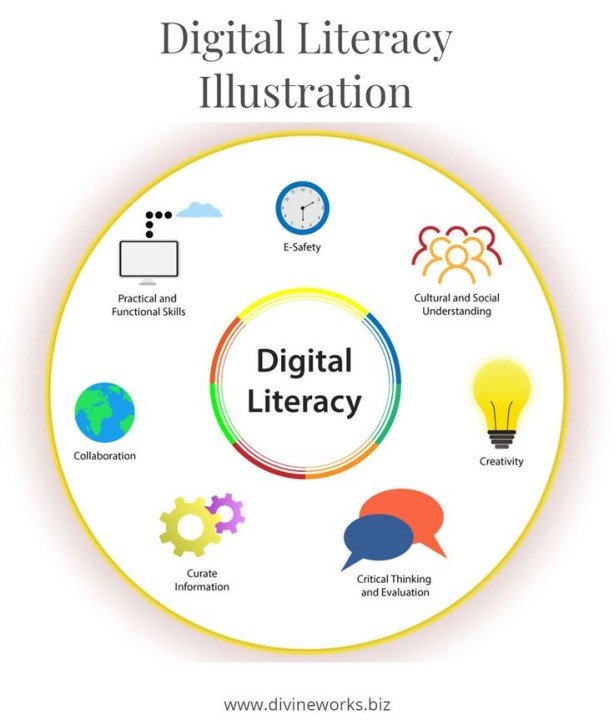
Every industry now depends on technology. Students should be comfortable using computers, online tools, productivity software, and digital platforms.
Essential digital skills include:
- Microsoft Office
- Google Workspace
- Email communication
- Online research
- Cloud storage
- Basic cybersecurity awareness
3. Problem-Solving Skills
Companies value employees who can analyze situations, identify challenges, and find practical solutions.
- Solve puzzles and case studies
- Participate in competitions
- Work on real-world projects
- Practice logical reasoning
4. Critical Thinking
Critical thinking helps students evaluate information, make informed decisions, and avoid misinformation.
- Asking thoughtful questions
- Comparing different viewpoints
- Reading quality news and research
- Analyzing real-life situations
5. Leadership Skills
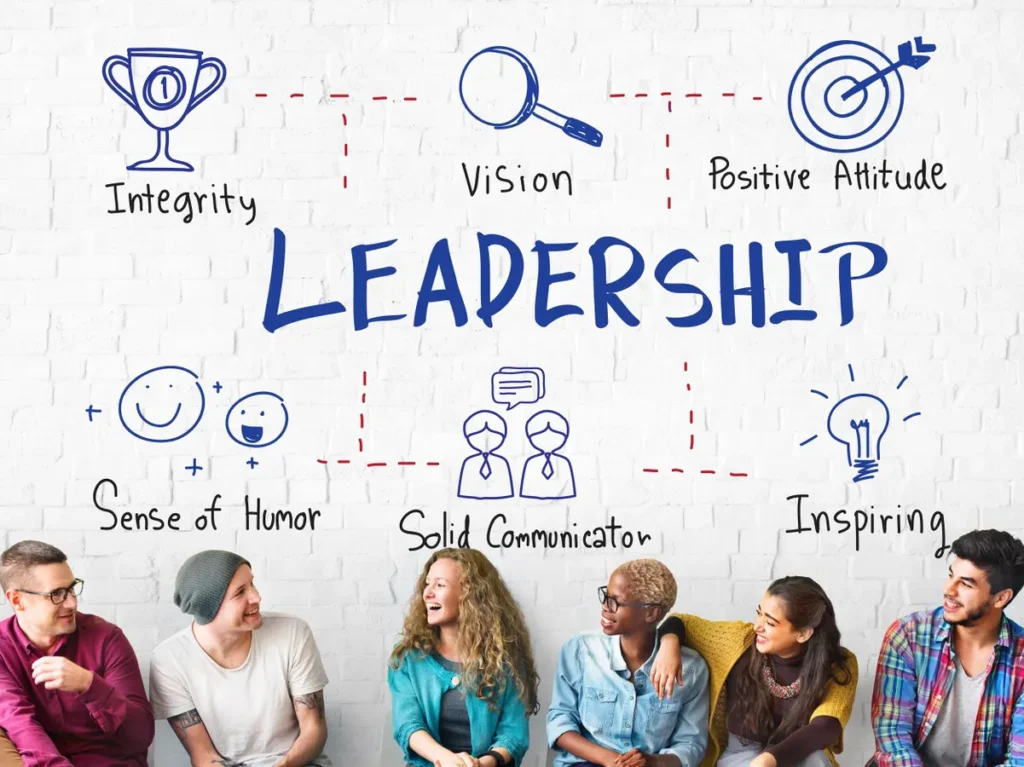
Leadership is not just about managing people—it is about taking initiative, inspiring others, and making responsible decisions.
- School clubs
- Volunteer work
- Event management
- Team projects

6. Time Management
Managing your time effectively helps you balance studies, extracurricular activities, and personal life.
- Create a daily schedule
- Set priorities
- Avoid procrastination
- Break large tasks into smaller goals

7. Teamwork & Collaboration
Most careers require working with others. Teamwork teaches cooperation, respect, and shared responsibility.
- Participating in group assignments
- Joining sports teams
- Taking part in community projects
- Practicing active listening
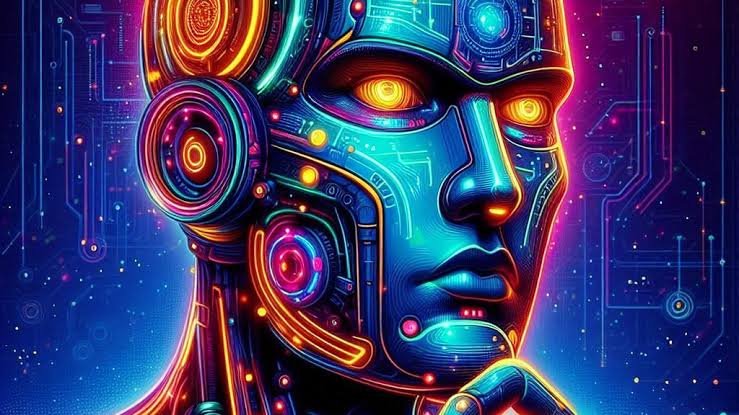
8. Artificial Intelligence (AI) Awareness
AI is transforming industries worldwide. Understanding AI tools and their applications gives students a competitive advantage.
Learn about:
- Generative AI
- AI productivity tools
- Machine Learning basics
- Responsible AI usage

9. Data Analysis
Data is becoming increasingly important in business, healthcare, education, and technology.
- Microsoft Excel
- Google Sheets
- Data visualization
- Statistics
- Business analytics
can improve career opportunities.

10. Adaptability
Industries continue to evolve rapidly. Students who are open to learning new technologies and adapting to change will succeed in almost every profession.
Technical Skills Students Should Learn
- Coding (Python, Java, JavaScript)
- Graphic Design
- Video Editing
- Web Development
- App Development
- Digital Marketing
- Cybersecurity
- Cloud Computing
- Data Science
- UI/UX Design
Soft Skills Every Student Needs
- Communication
- Leadership
- Creativity
- Emotional Intelligence
- Decision Making
- Negotiation
- Networking
- Confidence
- Positive Attitude
- Professional Ethics
How to Develop These Skills
- Enroll in online certification courses.
- Participate in internships.
- Build personal projects.
- Read books and industry blogs.
- Attend workshops and seminars.
- Join student clubs and communities.
- Seek mentorship from experienced professionals.
- Practice consistently.
Common Mistakes Students Should Avoid
- Focusing only on academic marks
- Ignoring practical experience
- Avoiding communication practice
- Not learning digital skills
- Procrastinating
- Neglecting networking opportunities
- Resisting new technologies
Why Career Hub?
Career Hub helps students develop the skills needed for academic and professional success. We provide career counseling, skill development guidance, college admission support, interview preparation, and personalized mentoring to help students build successful careers.
Conclusion
Success in today’s competitive world depends on more than academic qualifications. Students who continuously improve their communication, leadership, digital literacy, technical expertise, and problem-solving abilities are better prepared for future challenges.
Investing in skill development today will open doors to exciting career opportunities tomorrow. Start learning, stay curious, and build the skills that employers value most.
Frequently Asked Questions (FAQs)
The most in-demand skills include communication, digital literacy, problem-solving, critical thinking, leadership, artificial intelligence (AI), data analysis, coding, teamwork, and time management.
Soft skills such as communication, teamwork, adaptability, and leadership help students perform better in academics, interviews, internships, and future workplaces. Employers highly value these skills alongside technical knowledge.
Students should consider learning coding, artificial intelligence, data science, cybersecurity, web development, cloud computing, digital marketing, graphic design, and data analytics to stay competitive in the job market.
Commerce students can choose careers such as Chartered Accountant (CA), Company Secretary (CS), B.Com, BBA, Banking, Finance, Investment Banking, Digital Marketing, and Entrepreneurship.
Arts students have excellent opportunities in Law, Journalism, Psychology, Hotel Management, Fashion Designing, Civil Services (UPSC), Social Work, Graphic Design, and Mass Communication.