
Common Career Mistakes Students Should Avoid (2026)
Introduction
Choosing the right career is one of the most important decisions in a student’s life. However, many students make career decisions without proper research or guidance, which can lead to confusion, dissatisfaction, and missed opportunities. By understanding these common mistakes, students can make smarter choices and build a successful future.
In this guide, we’ll discuss the most common career mistakes students should avoid and how to make informed career decisions.

1. Choosing a Career Based on Others’ Opinions
Many students choose a career because of family pressure, friends, or society. Instead, choose a career that matches your interests, strengths, and long-term goals.

2. Ignoring Your Interests and Skills
Every student has unique talents and abilities. Selecting a career without considering your interests and skills can lead to frustration and poor job satisfaction.
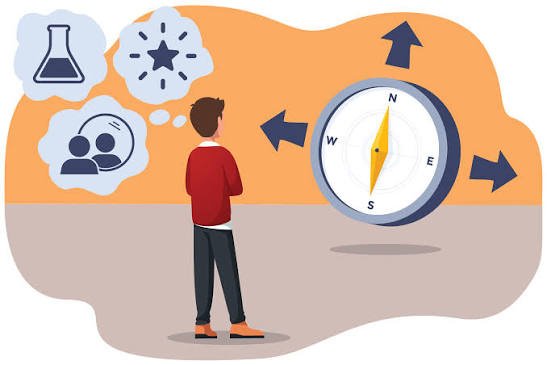
3. Not Researching Career Options
Before choosing a career, learn about the course, eligibility, job opportunities, salary, required skills, and future growth. Proper research helps you make informed decisions.

4. Choosing a Career Only for Salary
A high salary is attractive, but it should not be the only reason for selecting a profession. A career that matches your passion and abilities is more likely to bring long-term success.

5. Ignoring Future Career Trends
Industries continue to evolve with technology. Students should explore growing fields such as Artificial Intelligence, Data Science, Cyber Security, Healthcare, Renewable Energy, and Digital Marketing.

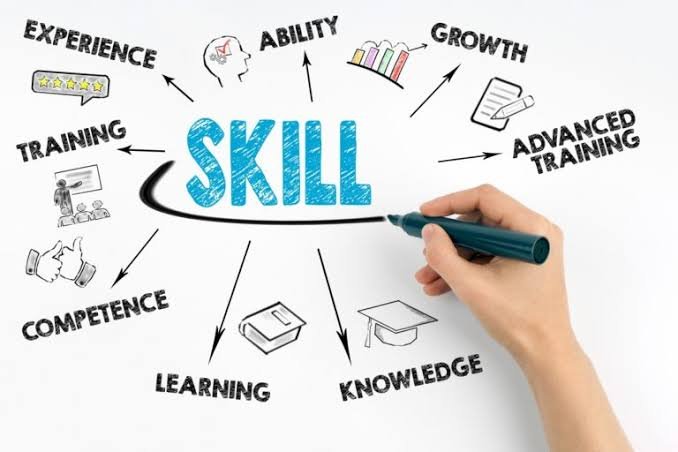
6. Not Developing Essential Skills
Academic knowledge alone is not enough. Employers also value communication skills, leadership, teamwork, problem-solving, digital skills, and adaptability.
7. Delaying Career Planning
Many students wait until after completing Class 12 or graduation to think about their careers. Starting early gives you enough time to prepare, build skills, and explore opportunities.

8. Ignoring Internships and Practical Experience
Internships, projects, workshops, and volunteer work help students gain real-world experience and improve their confidence before entering the job market.

9. Not Seeking Career Counseling
Professional career counselors help students understand their strengths, compare career options, and choose the right educational path based on their goals.

10. Following Trends Without Understanding Them
Just because a career is popular doesn’t mean it’s the right fit for everyone. Make decisions based on your own interests, abilities, and future aspirations.
Tips to Make Better Career Decisions
- Identify your interests and strengths.
- Research different career options.
- Develop both technical and soft skills.
- Speak with career experts and mentors.
- Gain practical experience through internships.
- Set clear short-term and long-term career goals.
- Stay updated with industry trends.
- Continue learning through certifications and online courses.
Why Career Counseling Matters
Career counseling provides personalized guidance that helps students choose the right course, college, and career path. Expert advice reduces confusion and helps students make confident decisions for their future.
Why Choose Career Hub?
Career Hub supports students with:
- Personalized Career Counseling
- Course & Stream Selection
- College Admission Guidance
- Entrance Exam Support
- Scholarship Assistance
- Career Planning
- One-to-One Expert Mentoring
Our goal is to help every student make informed career decisions and achieve long-term success.
Conclusion
Avoiding common career mistakes can save you time, money, and unnecessary stress. By understanding your strengths, researching career options, developing the right skills, and seeking expert guidance, you can confidently choose a career that matches your ambitions.
Start your career journey with the right guidance and build a successful future with Career Hub.
Frequently Asked Questions (FAQs)
Career Hub offers personalized career counseling, stream and course selection guidance, college admission support, entrance exam guidance, scholarship assistance, and expert mentoring to help students make confident career decisions.
Yes. Emerging industries such as Artificial Intelligence, Data Science, Cybersecurity, Healthcare, and Renewable Energy are creating new career opportunities. Staying updated with industry trends helps students make informed decisions.
Students should focus on communication, leadership, problem-solving, teamwork, critical thinking, digital literacy, time management, and technical skills related to their chosen field.
Internships provide practical experience, improve technical and professional skills, build confidence, and increase employability after graduation.
Research helps students understand eligibility, required skills, future job opportunities, salary expectations, and career growth before choosing a profession.