
How to Choose the Right College: A Complete Guide for Students (2026)
Introduction
Choosing the right college is one of the biggest decisions in a student’s life. The college you select can influence your education, career opportunities, personal growth, and future success. With thousands of colleges available, it’s important to choose one that matches your interests, goals, and budget rather than simply following trends or friends.
This guide will help you understand the key factors to consider before selecting the best college for your future.
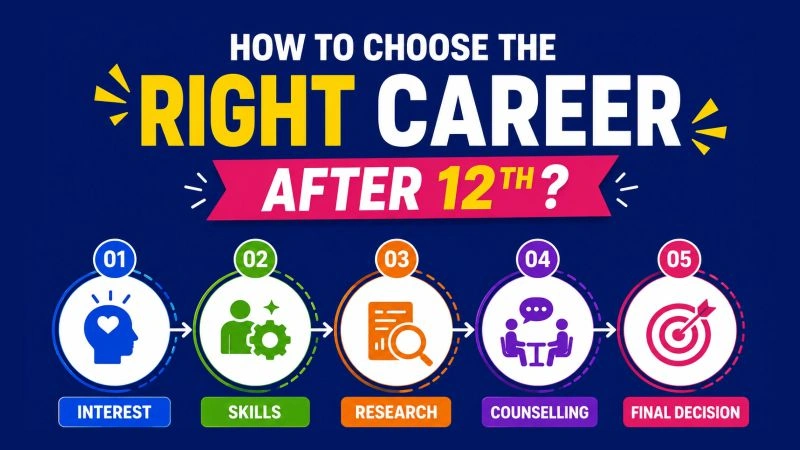
1. Know Your Career Goals
Before choosing a college, identify your career aspirations. Decide which course you want to study and what profession you wish to pursue. Having a clear goal makes college selection much easier.

2. Check College Recognition
Always verify whether the college is approved by recognized authorities such as UGC, AICTE, NMC, PCI, or BCI (depending on the course). Accreditation ensures the institution provides quality education.

3. Research Placement Records
A good college should have a strong placement record. Check the placement percentage, average salary packages, internship opportunities, and companies that regularly recruit from the campus.

4. Evaluate Faculty and Infrastructure
Experienced teachers and modern facilities improve your learning experience. Look for well-equipped laboratories, libraries, smart classrooms, sports facilities, and a supportive campus environment.

5. Compare Fees and Scholarships
Compare tuition fees, hostel charges, and other expenses. Also, check whether the college offers scholarships, financial aid, or education loan assistance to eligible students.

6. Consider College Location
The location of the college affects transportation, living expenses, internship opportunities, and safety. Choose a location that is convenient and supports your academic and career goals.

7. Read Student Reviews
Current students and alumni can provide valuable insights about academics, campus life, faculty, placements, and overall college experience. Their feedback can help you make a better decision.

8. Visit the Campus
If possible, visit the college before taking admission. Explore the campus, classrooms, laboratories, library, hostel, and interact with students and faculty members.
Common Mistakes to Avoid
- Choosing a college only because of its popularity.
- Following friends without proper research.
- Ignoring placement opportunities.
- Not checking accreditation.
- Selecting a course without considering your interests.
- Overlooking the total cost of education.
Why Career Counseling is Important
Professional career counseling helps students understand their strengths, compare colleges, select suitable courses, and make informed career decisions. Expert guidance reduces confusion and helps students choose the right path.
Conclusion
Choosing the right college is an investment in your future. Take time to research, compare options, and evaluate important factors like recognition, placements, faculty, infrastructure, and fees. A well-informed decision today can help you build a successful career tomorrow.
Need help choosing the right college? Career Hub offers expert career counseling and college admission guidance to help students make confident decisions for a brighter future.
Frequently Asked Questions (FAQs)
Choose a college based on your career goals, course availability, accreditation, faculty, placement record, infrastructure, and overall reputation. Compare multiple colleges before making your final decision.
You should consider course quality, college recognition, placement opportunities, faculty experience, campus facilities, fees, scholarships, location, and student reviews.
Yes, college rankings can provide useful information, but they should not be the only factor. Also consider placements, faculty, infrastructure, industry exposure, and student satisfaction.
Visit the official websites of regulatory bodies such as UGC, AICTE, NMC, PCI, or BCI to verify whether the college is recognized and approved.
Placement records show how successfully students are recruited by companies after graduation. A good placement record often indicates strong industry connections and better career opportunities.